Packing is one of the most important parts of preparing for a move. When your belongings are packed properly, movers can work faster, boxes are easier to carry, and the risk of damage is much lower. A well-organized packing process also helps you unpack faster after everything arrives at your new home.
If you are wondering how to pack for movers, the best approach is to start early, pack room by room, label everything clearly, and separate the items you will need right away. Some things can be packed safely on your own, while fragile, valuable or oversized items may be better handled by professional movers with packing experience.
This complete checklist will help you prepare your home before moving day, choose the right packing supplies, avoid common mistakes and understand when it makes sense to ask for professional packing help.
Why Packing Properly Before Movers Arrive Matters
Good packing affects almost every part of the moving process. If boxes are sealed, labelled and ready to go, the moving crew can load the truck more efficiently. If boxes are open, too heavy or poorly organized, the move can take longer and may cost more.
Proper packing also helps protect your belongings. Dishes, glassware, electronics, mirrors and decor items need cushioning so they do not shift during transport. Furniture should be cleared of loose items, and small parts should be kept together so nothing gets lost.
Another important reason to prepare in advance is safety. Overloaded boxes can break or become difficult to carry. Loose items on floors or in hallways can slow movers down and create tripping hazards. A clean, organized space allows the team to move furniture and boxes without unnecessary delays.
What Packing Supplies Do You Need?
Before you start packing, prepare the basic supplies. Using the right materials makes packing easier and gives your items better protection during loading, transport and unloading. Try not to rely only on random old boxes, thin tape or plastic bags, especially for fragile or heavy items.
For most home moves, you will need a mix of small, medium and large boxes, packing paper, bubble wrap, strong tape, labels, markers and protective covers. If you have hanging clothes, wardrobe boxes can save time. If you are moving mattresses, fabric furniture or delicate surfaces, covers and moving blankets can help keep them cleaner and safer.
| Packing Supply | Best For | Why It Helps |
|---|---|---|
| Small moving boxes | Books, dishes, tools, heavy small items | They are easier to lift safely and help prevent overpacking. |
| Medium moving boxes | Kitchen items, decor, toys, folded clothes | They work well for most household belongings and stack neatly. |
| Large moving boxes | Bedding, pillows, towels, light bulky items | They provide space for volume but should not be used for heavy items. |
| Packing paper | Dishes, glasses, ceramics, fragile items | It protects surfaces and fills empty spaces inside boxes. |
| Bubble wrap | Glass, electronics, mirrors, delicate decor | It adds cushioning for items that need extra protection. |
| Packing tape | All moving boxes | Strong tape keeps boxes sealed during lifting and transportation. |
| Markers and labels | Room names, fragile notes, priority boxes | They help movers place boxes in the correct rooms. |
| Mattress covers | Mattresses and box springs | They protect fabric from dust, dirt and moisture during the move. |
If you need boxes, tape, protective materials or other supplies before moving day, you can ask your moving company whether they provide moving boxes and supplies. This can be easier than buying random materials that may not be strong enough for a full move.
How to Pack for Movers Step by Step
The best way to pack is to follow a clear order. Do not start with the items you use every day. Begin with things you will not need before moving day, such as seasonal decor, books, extra linens, storage items and rarely used kitchenware.
Start by decluttering. Moving is a good moment to decide what you actually want to keep. There is no point paying to move broken items, duplicate household goods or things that have been sitting in storage for years. Donate, sell, recycle or dispose of anything you no longer need before packing begins.
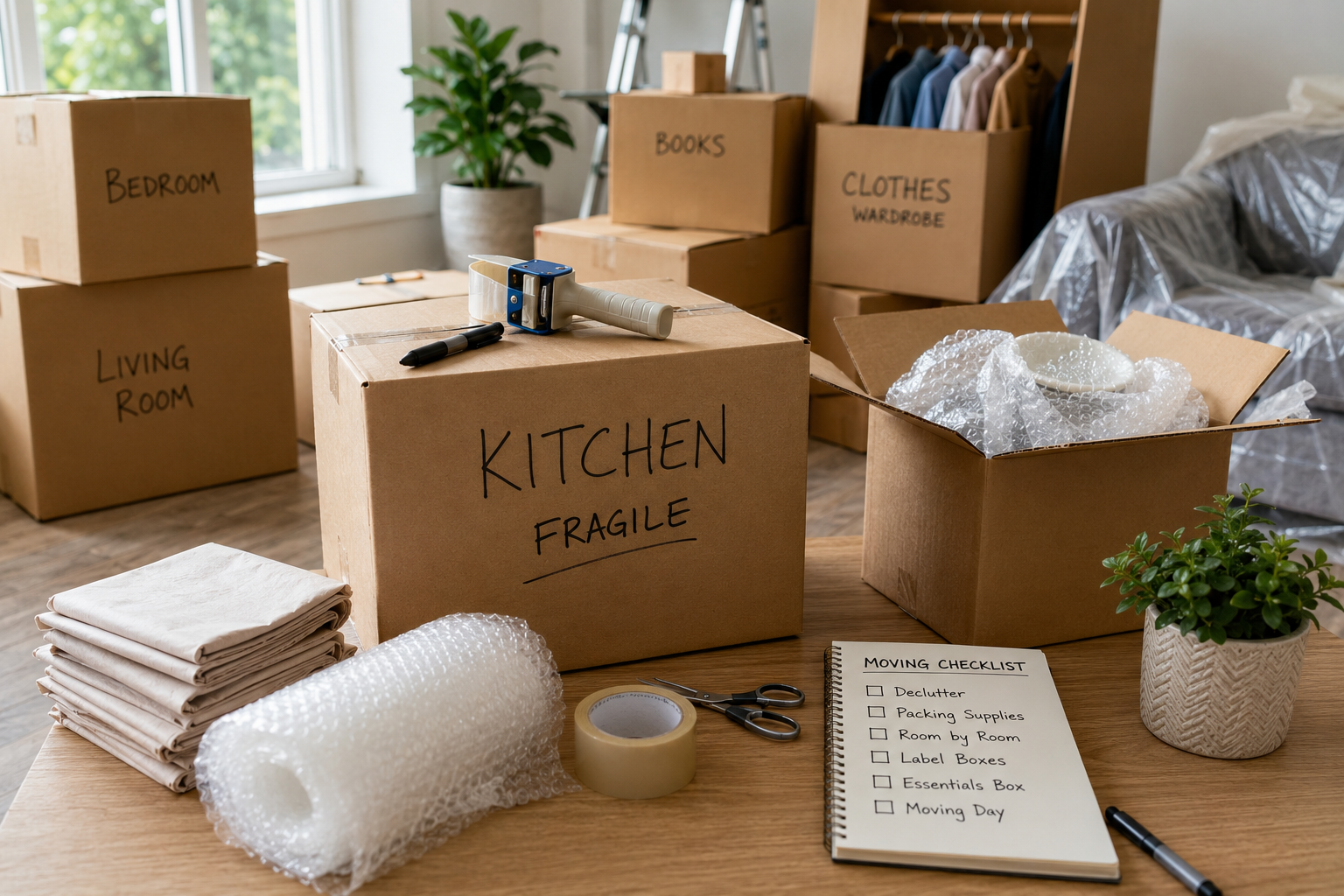
After that, pack one room at a time. Mixing items from different rooms may feel faster at first, but it usually makes unpacking harder. Keep kitchen items together, bedroom items together and office items together. Label every box with the room name and a short description of what is inside.
Use smaller boxes for heavy items and larger boxes for light items. Books, dishes, canned goods and tools should never go into large boxes, because they can become too heavy to lift safely. Large boxes are better for pillows, blankets, towels and soft items.
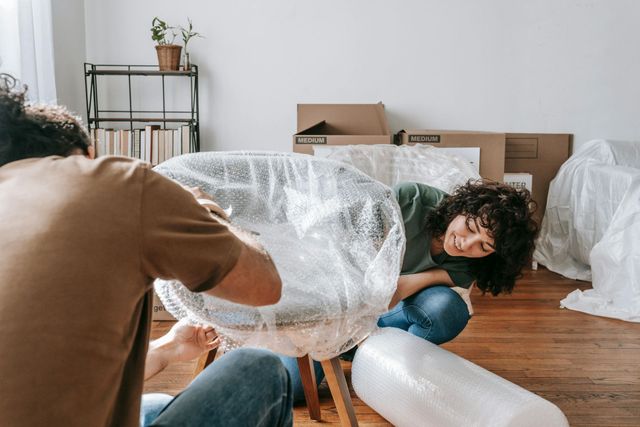
Wrap fragile items individually and fill empty space inside the box so items do not move around. A box that rattles when you gently shake it is usually not packed tightly enough. Use packing paper, towels or soft materials to reduce movement.
Finally, prepare an essentials box. This should travel with you, not deep inside the moving truck. It can include chargers, medication, basic toiletries, documents, keys, a change of clothes, snacks, pet items and anything you may need during the first night in your new home.
Room-by-Room Packing Checklist
Kitchen
The kitchen often takes longer to pack than expected because it contains many fragile, heavy and oddly shaped items. Start with appliances and dishes you do not use daily. Wrap plates vertically, protect glasses with paper or bubble wrap, and avoid leaving empty gaps inside boxes.
Liquids, oils and cleaning products should be sealed carefully or packed separately. Open food, frozen items and perishable goods should not be packed with general household items. If you have expensive appliances, check whether original packaging is still available.
Bedroom
Pack seasonal clothing, extra bedding and decor first. Keep daily clothing separate until closer to moving day. Wardrobe boxes are useful if you want to move hanging clothes without folding everything.
Empty nightstands and dressers before movers arrive, unless your moving company specifically says certain lightweight drawers can remain as they are. Keep jewellery, personal documents and valuables with you instead of packing them into general moving boxes.
Bathroom
Bathrooms usually contain small items that can leak or spill. Seal bottles, place toiletries in bags and throw away expired products. Keep one small bag with the items you need until the last day and for the first night after the move.
Medication should not be packed into the moving truck. Keep prescriptions, first-aid supplies and important personal care products with you.
Living Room
The living room may include electronics, decor, lamps, books, framed photos and fragile items. Remove batteries where needed, wrap cords neatly and label cables if they belong to specific devices.
For TVs, speakers and electronics, original boxes are ideal. If you do not have them, use protective wrapping and make sure screens and delicate surfaces are not exposed. Large decor pieces, mirrors and framed artwork may need special handling.
Home Office
Pack paperwork carefully and keep important documents separate. Computers, monitors, hard drives and office equipment should be protected from impact and moisture. Label cords and accessories so setup is easier later.
If you work from home, pack your office last or create a small work essentials bag. This can help you avoid losing important chargers, documents or equipment during the move.
Garage, Storage and Outdoor Items
Garages and storage areas often contain tools, sports equipment, seasonal items and things that have not been sorted in years. Start early because these areas can take more time than expected.
Check whether any items are restricted for transport, such as fuel, paint, chemicals, propane tanks or flammable materials. Many moving companies will not move hazardous goods, so these items should be handled separately according to local rules.
How to Pack Fragile Items Safely
Fragile items need more than just a label on the box. They need proper wrapping, cushioning and careful placement. Start by reinforcing the bottom of the box with strong tape. Add a layer of packing paper or soft material before placing items inside.
Wrap each fragile item individually. Plates should usually be packed vertically rather than flat, because this reduces pressure on the surface. Glasses and mugs should be wrapped separately, with extra cushioning around handles and rims.
Do not overpack fragile boxes. It is better to use more smaller boxes than one heavy box full of breakable items. Fill empty spaces so nothing shifts during transport, then close the box securely and mark it as fragile on more than one side.
For mirrors, artwork, glass tabletops and delicate electronics, consider asking movers about special packing options. These items may need stronger protection than a standard cardboard box can provide.
What Should You Not Pack Before Movers Arrive?
Some items should stay with you instead of going into the moving truck. This includes personal documents, passports, financial papers, jewellery, medication, keys, phones, laptops, chargers and anything you may need immediately after arrival.
You should also avoid packing hazardous materials with your household goods. Items such as gasoline, propane, paint, chemicals, fireworks and certain cleaning products may be restricted. If you are not sure whether something can be transported, ask the moving company before moving day.
Plants, open liquids, perishable food and temperature-sensitive items may also need special planning. For a short local move, you may be able to transport some of them yourself. For long-distance moving, it is better to check the rules in advance.
Should You Pack Everything Yourself or Hire Packing Movers?
Packing everything yourself can save money, but it also takes time and energy. If you have a small apartment and enough time before moving day, self-packing may be practical. You can sort your belongings carefully and pack at your own pace.
However, professional packing can be a better option if you have fragile items, a large home, limited time or a complicated move. Movers who pack for you understand how to protect dishes, glassware, furniture, electronics and other household goods for transport.
A movers packing service can also be useful if you are moving on short notice or do not want to spend evenings and weekends packing boxes. Instead of rushing at the last minute, you can have trained packers prepare your belongings more efficiently.
If you do not need full packing, you can choose partial packing. For example, you may pack clothes, books and personal items yourself, while the moving company handles fragile kitchenware, artwork, mirrors or other delicate pieces. Professional packing services can be adjusted to the type of help you actually need.
How to Prepare Your Home for Moving Day
Packing is only one part of moving preparation. Before movers arrive, make sure your home is ready for the crew to work. Clear hallways, remove small obstacles and keep children or pets away from busy moving areas.
If you live in an apartment or condo, book the elevator in advance if required. Some buildings also need a loading dock reservation or proof of insurance from the moving company. Confirm these details before moving day so there are no delays.
Parking is also important. The closer the truck can park to the entrance, the faster the move usually goes. If parking is limited, ask your building manager or local authority whether you can reserve space for the moving truck.
Appliances should be disconnected and prepared according to the manufacturer’s instructions. Empty refrigerators, unplug electronics and remove loose items from furniture. If something is especially heavy, valuable or difficult to move, tell the moving company before the crew arrives.
Common Packing Mistakes to Avoid
One of the most common mistakes is packing boxes too heavily. A box may look strong when it is sitting on the floor, but it can break when lifted or stacked. Keep heavy items in small boxes and test the weight before sealing them.
Another mistake is leaving boxes unlabelled. Even if everything is packed safely, movers need to know where each box should go. Labels save time during unloading and make unpacking much easier.
Waiting until the last night is also risky. Last-minute packing often leads to poor organization, weak boxes, missing items and unnecessary stress. Start early and pack in stages so moving day is not chaotic.
People also often forget to separate essentials. If your toothbrush, medication, phone charger or important documents are packed somewhere in the truck, finding them later can be frustrating. Keep your first-night items with you.
Final Moving Day Packing Checklist
- All boxes are closed, taped and labelled by room.
- Fragile boxes are clearly marked on more than one side.
- Hallways, stairs and entrances are clear.
- Parking or elevator reservations are confirmed.
- Furniture is emptied of loose items.
- Appliances are disconnected and ready if required.
- Important documents, valuables and medication are kept with you.
- Essentials box is packed separately and easy to access.
- Movers are informed about heavy, fragile or special items.
Final Thoughts
Learning how to pack for movers can make your moving day faster, safer and more organized. The main rule is simple: start early, use the right materials, pack room by room and label everything clearly. Good preparation helps movers work efficiently and helps you settle into your new home with less stress.
If you have enough time and a smaller move, packing on your own may work well. But if you have fragile items, a large home, limited time or simply want the process handled professionally, packing help can be worth it.
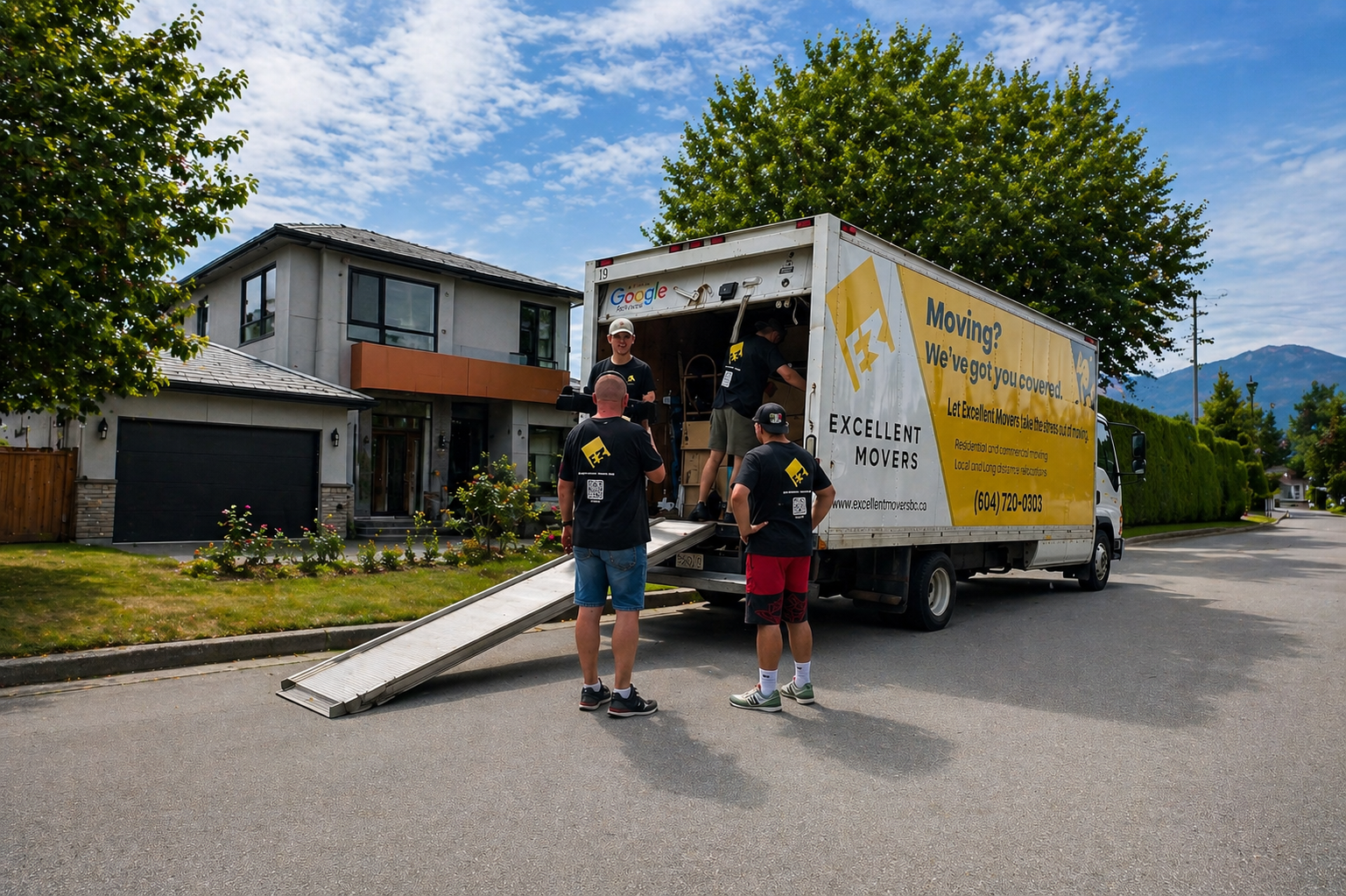
When you are ready to plan your move, working with professional movers in Vancouver can help you prepare properly, protect your belongings and make moving day easier from start to finish.